
Safeguard Your Home’s Air Quality
Top Radon Mitigation in Robins
Protect your Robins home with advanced radon mitigation systems from Adios Radon. Our skilled team is committed to securing your family's health by effectively reducing radon levels in Robins residences. With reliable service and thorough evaluations, rely on us to boost your indoor air quality now.
Secure Your Home with Expert Radon Mitigation
Radon Mitigation Explained
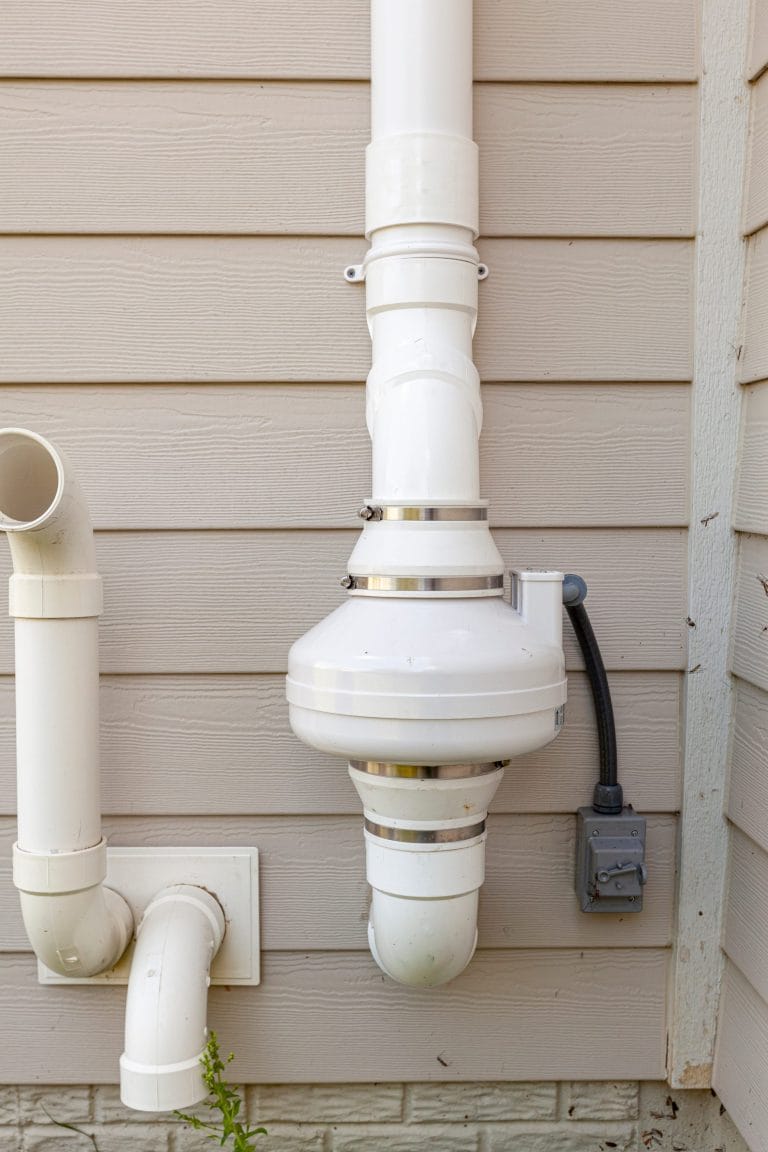
Radon mitigation is an essential process for decreasing indoor radon levels, primarily through sub-slab depressurization (SSD). SSD functions by establishing negative pressure beneath the home's foundation, preventing radon from infiltrating the living areas. A standard radon mitigation system comprises a suction pit, a network of pipes, and a radon fan to safely eliminate the gas to the outside.
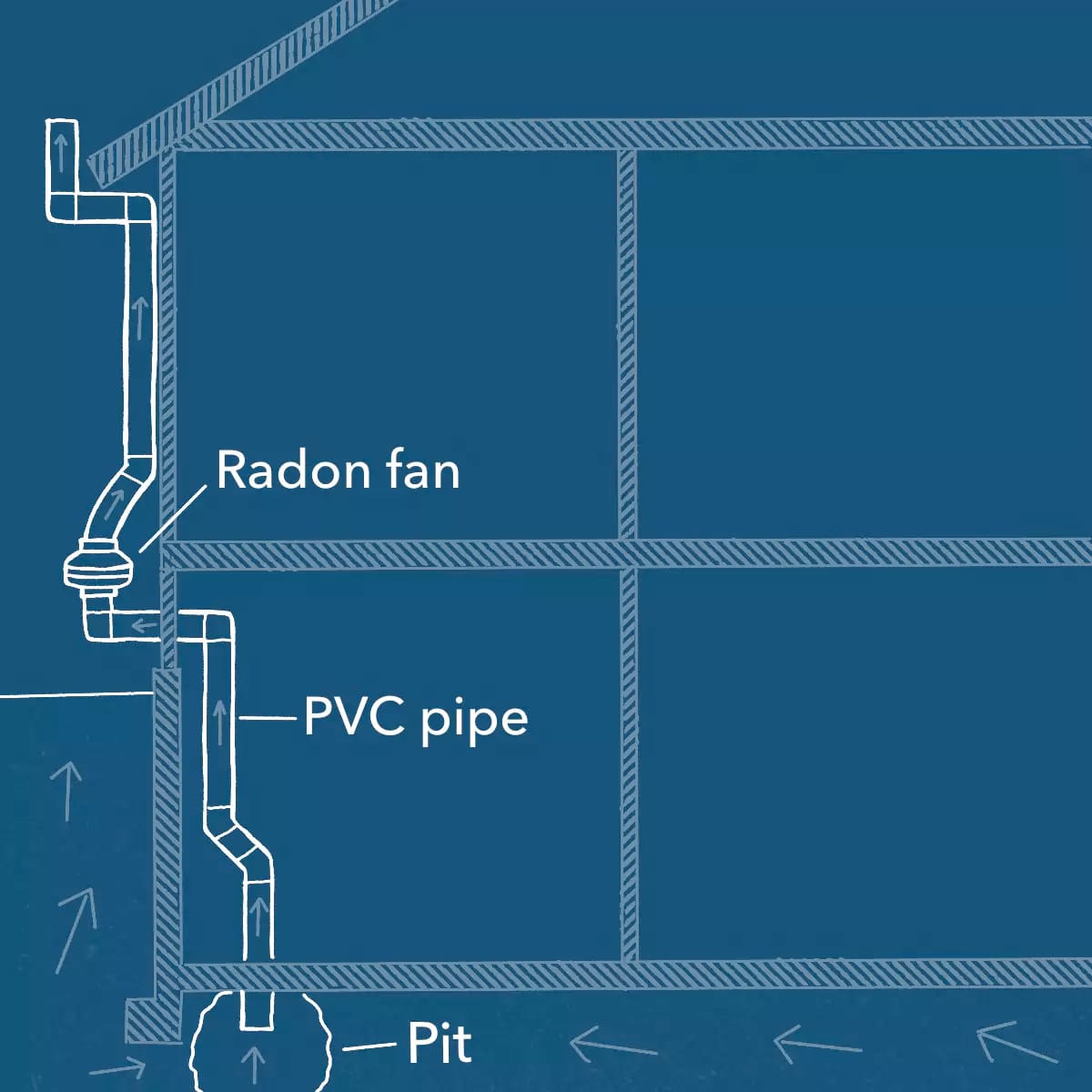
How does mitigation work?
Expert Radon Mitigation Installation Techniques
Mitigation can be divided into three parts:
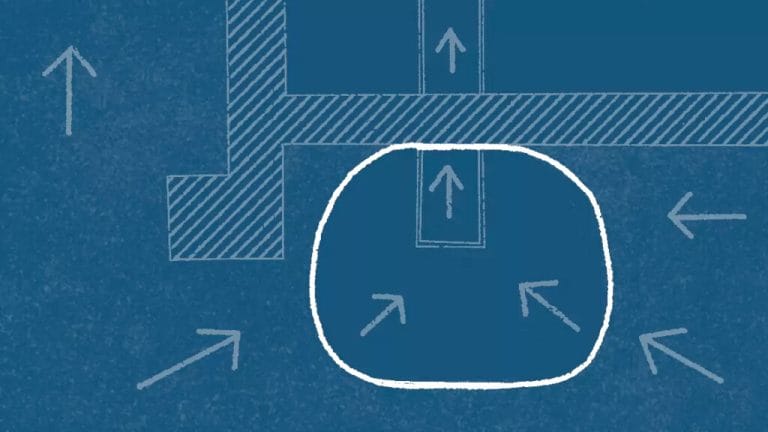
Suction Pit
A suction pit is created by removing about three five-gallon buckets of soil from beneath the slab, providing an access point for the system to draw out radon gas.
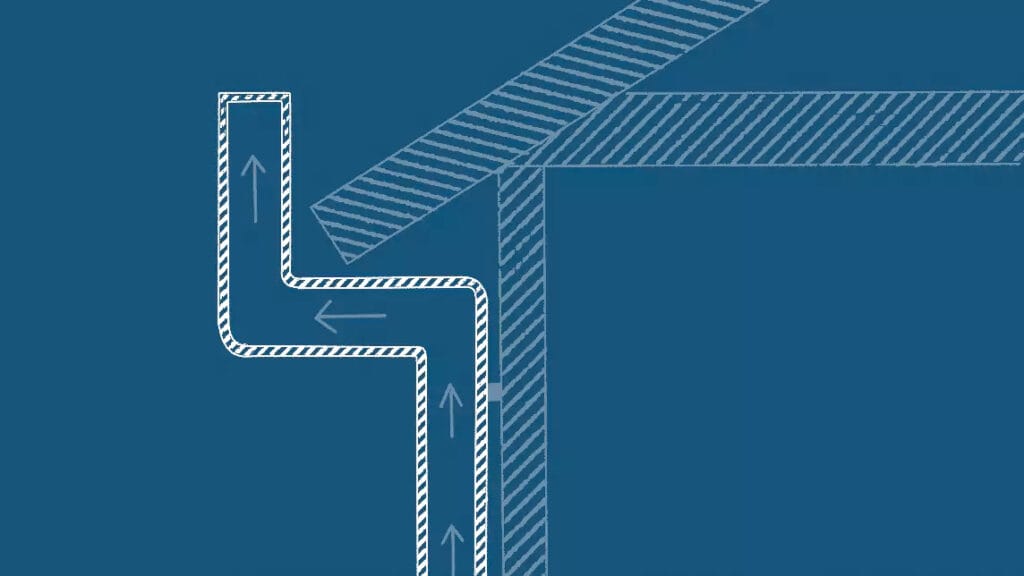
PVC Piping
A PVC pipe is inserted into the suction pit and extends upwards, connecting to the exterior of the home, often through the attic or an exterior wall.
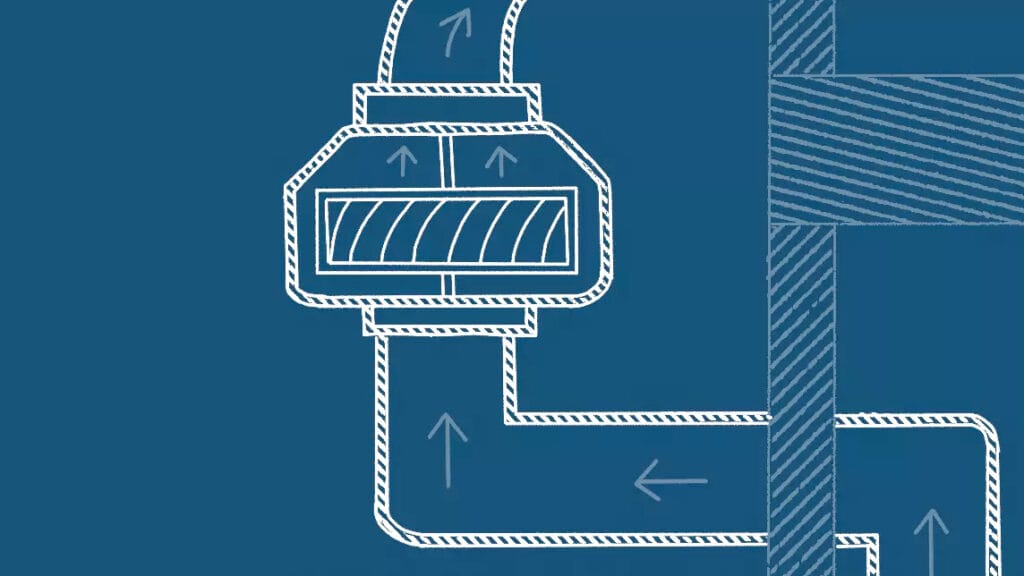
Radon Fan
A specially designed radon fan is connected to the vent pipe, typically in the attic, garage, or outside the house. The fan continuously pulls radon gas from beneath the foundation and vents it outside.
Understanding Radon Health Risks
How Adios Radon Protects You
Radon might be invisible, but its impact isn’t. Here’s why it’s vital to mitigate:
Odorless gas from radioactive decay
homes have radon levels above the EPA recommended limit.
Your Radon Mitigation Questions Answered
Frequently Asked Questions about Radon Mitigation
Here are answers to the most common questions we receive in Robins. If you need more information, feel free to reach out!

Precision Radon Mitigation: Our Proven Approach
Our process for Radon Mitigation
Initial
Assessment
Our state certified mitigation installers analyze your home to evaluate options for where the mitigation system can be installed.
System
Design
We customize a plan based on the home’s structure and layout, and owner preferences to ensure maximum effectiveness and minimal cosmetic impact to your home.
BEGIN
Installation
Our trained technicians execute the installation with precision and care, utilizingbest practices every time.
Testing and
Verification
After the system is installed and functioning for 24 hours, we test the property again to ensure radon levels are adequately reduced. If for any reason radon levels aren’t low enough, we will implement additional measures (more slab penetrations, upsized radon fan, multiple systems, etc) as required to yield the results we’re looking for.
Follow-up
Service
We offer post-installation support to ensure the system operates optimally over time.
Customer
Education
We empower homeowners with knowledge on system maintenance and the importance of routine radon testing every two years.
Radon Concerns in Robins
Robins is known for its potential for elevated radon levels due to the natural breakdown of uranium in the soil, which releases harmful radon gas. This, coupled with the area’s climate—featuring humid summers and cold winters—poses a higher risk for fluctuating indoor radon concentrations, making frequent testing and mitigation necessary.
Neighborhood Highlights: South Troy Road and East Robins
Areas such as South Troy Road and East Robins have been noted for radon levels that often surpass recommended safe limits, particularly in older residences with dated construction methods. Professional radon mitigation is vital to protect the health of residents in these communities.
Community Awareness and Efforts
Robins is actively focused on increasing radon risk awareness through local health campaigns and state-supported programs that stress the importance of regular radon testing and improving air quality. Robins homeowners are encouraged to conduct bi-annual radon tests, particularly during significant seasonal shifts, to manage and mitigate exposure effectively.

Say ‘Adios’ to Radon with the Best in Iowa & THE MIDWEST
Why Adios Radon is the Best Choice for You
Our comprehensive services, backed by years of experience and a friendly, knowledgeable team, ensure top-notch results for every project.
Strong Communication
Our dedicated team of office staff will pick up the phone when you call and get you scheduled right away.
Timely estimates
When you reach out for a bid, we’ll visit your property quickly to provide you with a free estimate, with a system tailored to your needs.
Price Transparency
Our proposal will give you clarity on the cost of the work before you sign on the dotted line.
We’ll be there when we say
we will
If for any reason we can’t arrive when planned, we will reach out to you proactively and respect your time. You won’t have to wonder when we’ll show up.
Highly rated customer service and reviews
If you take a look at our reviews, our rapport with previous clients and their trust in us speaks for itself.
We’ll gladly fix the system you already have
If you need help with a system someone else installed, we’ll take care of you!
High standards of technical execution
We will do a great job every time, and get the details right.
Low-Level Guarantee for peace of mind
We guarantee the levels in your home will be below the EPA standards.
Financing Available
Financing is available through Wisetack with every Adios Radon estimate, or complete an application to prequalify.
Our SERVICE AREA
Find your Expert Contractor
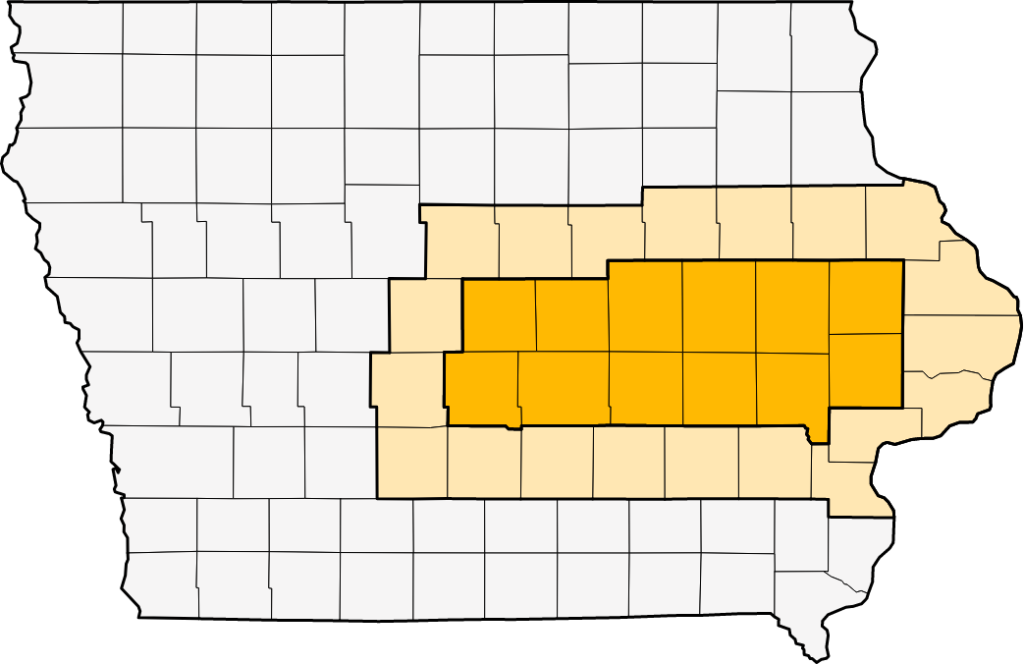
We provide radon mitigation services in Eastern and Central Iowa. Our service area is within about an hour of: Cedar Rapids, Iowa City, Des Moines, Grinnell, & Pella.
Some of the other cities we serve include: Kalona, Washington, Williamsburg, Coralville, North Liberty, Mt Vernon, Marion, Robins, Hiawatha, Anamosa, Tiffin, Oxford, Amana, West Branch, Belle Plaine, Hills, West Liberty, & Vinton.
Our Achievements & Affiliations
Proven Expertise &
Trustworthy Partnerships
Adios Radon’s success and certifications speak volumes about our dedication and reliability in the field.
Testimonials
What Our Customers Say About Our Radon Services
Roy and his team did a great job with the radon mitigation project at my home in Iowa City. Explained the process thoroughly, gave me a couple of options (one at a lower cost but with a little DIY effort) and then completed the work beautifully.

Very timely response and consultation. The mitigation system was installed a week later. We are very happy with the results. Roy and his team were efficient and professional.
These guys are awesome. Described exactly what they were doing, they were quick, and the price was real competitive with other businesses. If you’re thinking of getting radon mitigation at a good cost, go here.

Our Resources About Radon
Extend Your Knowledge ABOUT RADON With Our Resources
Expand your understanding of radon and its impacts with Adios Radon’s well-curated resources. Our expert materials are crafted to educate and guide you in making informed decisions about radon exposure, testing, and mitigation to protect your home and business.
Radon Mitigation Systems: How They Work and What To Expect
January Is National Radon Action Month

Unveiling the Health Threats of Radon: What You Must Know to Stay Safe
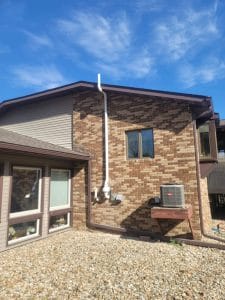
How to Pick the Right Radon Mitigation Company for Your Home
Say Goodbye to Radon Worries in Robins
with Adios Radon!
Take proactive steps in safeguarding your home and loved ones with our expert radon mitigation systems. Embrace better air quality and peace of mind today.